Sweet cherries are considered a good source of dietary potassium, with approximately 260 mg of potassium for every cup of fresh cherries consumed. In the past ten years there has been increasing evidence of the importance of adequate potassium intake in reducing the risk for hypertension and stroke. More than half of all American adults have high blood pressure. A diet high in potassium and calcium, and low in sodium and alcohol, is a reasonable and safe approach to promote healthy blood pressure. Sweet cherries also produce Melatonin. Melatonin is a hormone produced by the pineal gland that in addition to antioxidant activity also plays a role in promoting healthy circadian rhythm and thus promoting healthy sleep patterns. Cherries are one plant food source of melatonin. In one study, melatonin supplementation appeared to be effective in reducing jet lag. In combination with other behavioral approaches to promote sleep or reduce jet lag, sweet cherry intake in usual amounts could prove to be useful.


NUTRITIONAL FACTS
Peaches store a broad range of nutrients that are vital for the healthy functioning of the body. For instance, besides its refreshing taste and aroma, peaches are rich in carotenoids. The peels and the pulp of peaches possess significant antioxidant properties. The presence of chlorogenic acid in peaches also contribute to their protective effects. Antioxidants such as lutein, zeaxanthin, and beta-crytoxanthin help in scavenging the oxygen-derived free radicals and protect the body against the harmful effects of various diseases. Peaches also contain potassium, which is vital for proper nerve signaling and cellular functioning of the body. The potassium content in peaches also helps in metabolic processes, utilizing carbohydrates, maintaining electrolyte balance, and the regulation of muscular tissues. A lack of potassium in the body can lead to hypokalemia which can affect muscular strength and can cause an irregular heartbeat.
One medium-sized nectarine contains 62 calories and 285 milligrams of potassium, an important mineral for overall body health and function. Potassium is a mineral that is necessary for electrical and cellular functions in the body. It plays a role in metabolism, regulates pH balance, assists with protein synthesis and helps with the digestion of carbohydrates.
Nectarines, whether fresh or dried, are a good source of dietary fiber, which is important for maintaining overall health. Dietary fiber is the part of the plant that your body cannot digest. Fruits and vegetables are sources naturally high in dietary fiber, as are whole grains, legumes and nuts. Dietary fiber helps by adding bulk to your diet, making you feel full on less food, thus reducing the number of calories you consume. Fiber also helps prevent constipation and helps with digestion. One medium-sized nectarine contains 2.4 grams of dietary fiber.
The bright orange-red color of nectarines is due to its high beta-carotene content. Beta-carotene is an antioxidant that helps protect the body from damage from free radicals. Beta-carotene is also converted by the body into vitamin A, although the body will not convert more beta-carotene into vitamin A than is necessary. Vitamin A helps build and maintain healthy skin, teeth, bone tissue, soft tissue and mucus membranes. One medium-sized nectarine contains 471 international units of vitamin A per serving.
While pears are not an unusual source of conventional antioxidant or anti-inflammatory nutrients (for example, vitamin E or omega-3 fatty acids), the phytonutrient category is where this fruit excels. For example, in the Baltimore Longitudinal Study of Aging (1,638 participants, average age range 62-69 years), the combination of apples/pears ranked as the second highest source of flavonols among all fruits and vegetables – partly due to the epicatechin richness of pears. Average flavonol intake in the study was about 14 milligrams per day, and one pear can provide about half of this amount all by itself.
Also, pear fruit is one of the very low-calorie fruits; provides just 58 calories per 100g. A low calorie but high fiber diet may help bring significant reduction in body weight, and blood LDL cholesterol levels. Although not well documented, pears are among the least allergenic of all the fruits. For the same reason, they often recommended by health practitioners as a safe alternative in the preparation of food products in allergic persons.
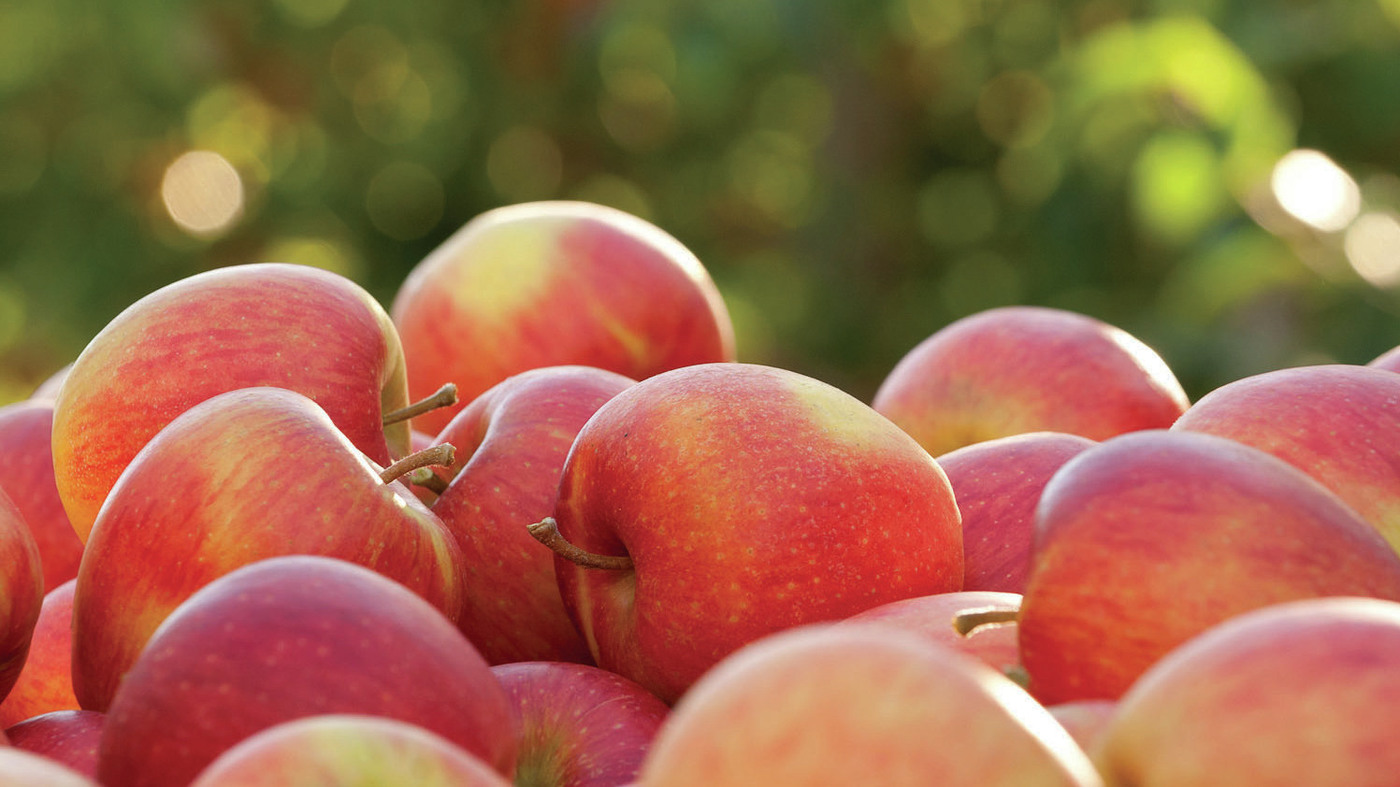
Since most of the polyphenols in apples function as antioxidants, it’s not surprising to see so many health benefit studies focusing on the antioxidant benefits from apple. Particularly strong is the ability of apples to decrease oxidation of cell membrane fats. This benefit is especially important in our cardiovascular system since oxidation of fat (called lipid peroxidation) in the membranes of cells that line our blood vessels is a primary risk factor for clogging of the arteries (atherosclerosis) and other cardiovascular problems. Apples’ strong antioxidant benefits are also related to their ability to lower risk of asthma in numerous studies, and their ability to lower risk of lung cancer. In addition to their unusual polyphenol composition, apples also provides us with about 8 milligrams of vitamin C. While that amount is not a lot, it’s still important, especially since the recycling of vitamin C in our body depends on the presence of flavonoids and apples do an amazing job of providing us with those flavonoids.
While not as developed as research in other areas, preliminary health benefits of apples have also been established for several age-related health problems, including macular degeneration of the eye and neurodegenerative problems, including Alzheimer’s disease. In animal studies, prevention of bone loss has also been an area of investigation, particularly related to the phloridizin content of apples.